


In this interview, Dr Qing Li, author of Into the Forest: How Trees Can Help You Find Health and Happiness, shares his groundbreaking work on forest medicine. With growing interest in nature-based therapies, his pioneering findings offer compelling evidence of nature’s profound power to reduce stress, support immunity, improve sleep, and enhance our overall well-being.
This interview has been edited for length and clarity. Academic references have been omitted for readability but are available on request.
Lifted
You wrote about a feeling that is too deep for words—a feeling you get when you’re in nature—and how, as a scientist, you have devoted your career to investigating the science behind this intuition. What have you discovered?
Dr Qing Li
Forest bathing (Shinrin-yoku), or forest therapy, has been reported to have a wide range of beneficial effects on human health, including the following:
- Boost the immune system by increasing natural killer (NK) cell activity, the number of NK cells, and the levels of anti-cancer proteins within cells, suggesting a preventive effect against cancer.
- Lower blood pressure and heart rate, indicating a preventive effect on hypertension (high blood pressure) and heart disease.
- Reduce stress hormones such as urinary adrenaline and noradrenaline, and salivary/serum cortisol, contributing to stress management.
- Enhance parasympathetic nerve activity while reducing sympathetic activity, helping to stabilise the autonomic nervous system (in other words, calming the body’s ‘fight or flight’ response and enhancing the ‘rest and relax’ system to promote a healthier balance between stress and recovery).
- Raise levels of serum adiponectin and dehydroepiandrosterone sulphate (biomarkers with significant effects on metabolism, inflammation, aging, and disease risk).
- According to the Profile of Mood States (POMS) test, forest bathing reduces anxiety, depression, anger, fatigue, and confusion, while increasing vigour—demonstrating a preventive effect on depression.
- Boost levels of serotonin, oxytocin, and insulin-like growth factor in the blood, further supporting its potential to prevent depression.
- Improve sleep.
- Rehabilitative care.
- Lower scores on the Self-Rating Depression Scale (SDS), again supporting its potential to prevent depression.
Taken together, these findings suggest that forest bathing may have potential preventive effects on lifestyle-related diseases such as depression, hypertension, heart diseases and sleep disorders and related conditions. Some people study forests. Some people study medicine. I study forest medicine—to find out all the ways in which walking in the forest can improve our well-being.
In fact, I had the following hypothesis before studying forest bathing: The immune system, including natural killer (NK) cells, plays a crucial role in defending against bacteria, viruses, and tumours. It is also well established that stress inhibits immune function. Empirically, forest bathing may reduce stress. Therefore, I speculated it could enhance immune function by reducing stress.
Lifted
Why does being in the forest have this effect on us?
Dr Qing Li
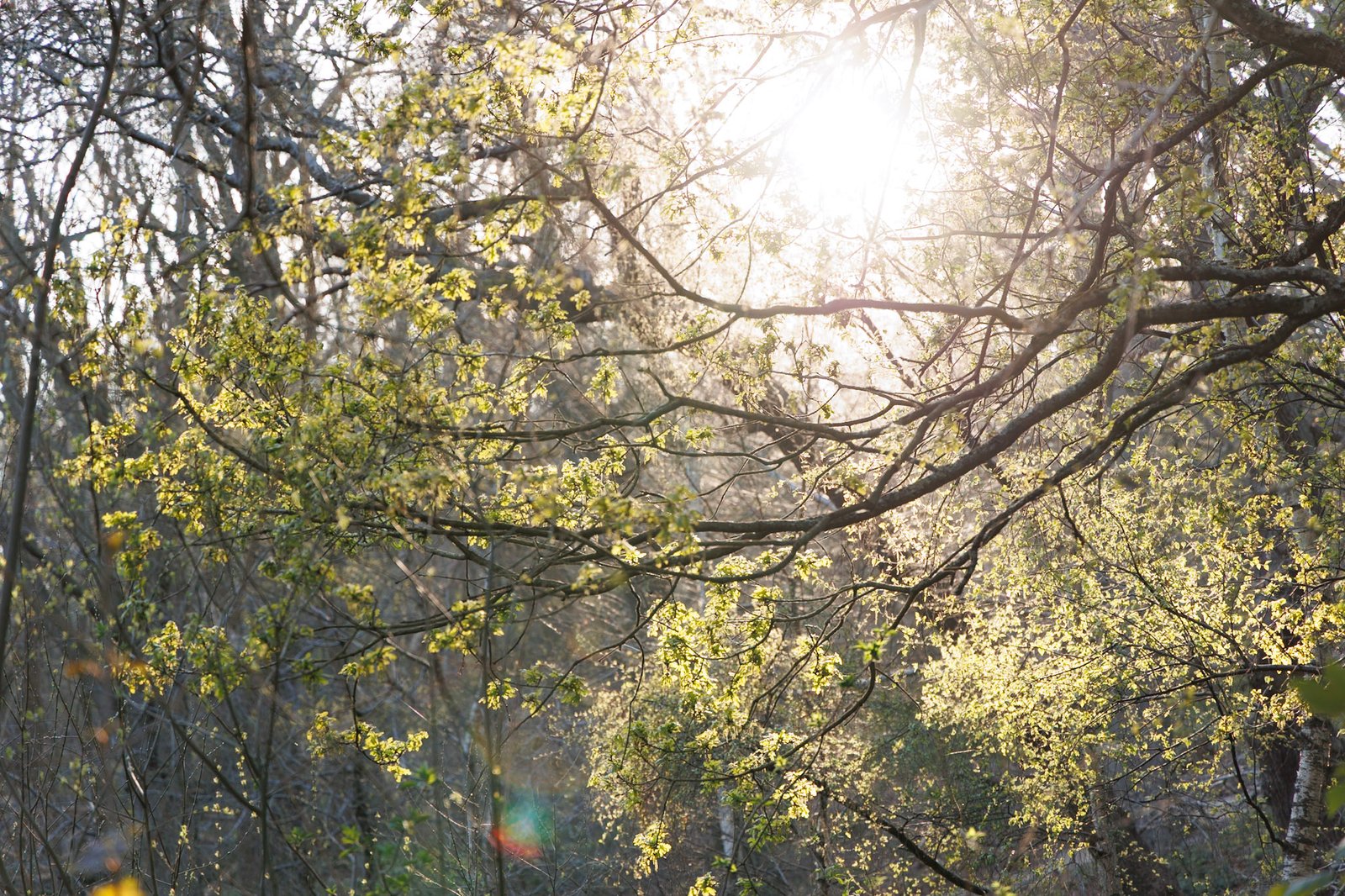
The effects of forest bathing are the result of stimulation across all five senses—sight, hearing, taste, smell, and touch—through the forest environment. This includes the quiet atmosphere, beautiful scenery, calm climate, pleasant aromas, and clean fresh air, all of which contrast with city environments.
Stress is a key word to understand the background of forest bathing. Stress can trigger or worsen almost all lifestyle-related diseases, including certain cancers, hypertension, depression, cardiovascular disease (e.g., myocardial infarction), stroke, gastric ulcers, obesity, alcoholism, panic disorder, eating disorders, irritable bowel syndrome—you name it. Forest bathing, by reducing stress, can help protect against these conditions.
Lifted
Our evolved connection to the natural world, it seems, is vital to our well-being. Yet today, we are becoming an increasingly sedentary, indoor, and urban species. What impact is this rapid environmental shift having on our health?
Dr Qing Li
Urban environments and modern lifestyles are major contributors to lifestyle-related diseases, such as obesity, sleep disorders, depression, and both physical and mental health issues, including hypertension (high blood pressure).
Lifted
If you could give city-dwellers one recommendation for improving their connection to nature—and therefore their well-being—what would it be?
Dr Qing Li
Go to a city park and enjoy the benefits of forest bathing. We have proven that forest bathing even in a city park has a relaxing and stress-relieving effect.
'Forest bathing will become a recognised form of preventive medicine for stress management and the prevention of lifestyle-related diseases'
Lifted
Is there a particular park or wild place you return to again and again?
Dr Qing Li
Yes—the Birthplace of Forest Bathing in Japan: Akazawa Natural Recreation Forest in Nagano Prefecture.
Lifted
Clearly, we need to balance the excitement and energy of urban life with the benefits of living close to nature. How do you suggest we do this?
Dr Qing Li
Bring the forest into the city.
Lifted
How do you see the future of forest medicine?
Dr Qing Li
Forest bathing will become a recognised form of preventive medicine for stress management and the prevention of lifestyle-related diseases, with significant implications for public health policy. In time, it may also be adopted as a clinical treatment for conditions such as hypertension, heart disease, depression, and sleep disorders. Additionally, it could be used in rehabilitative care.
Lifted
Is there anything you would like to add?
Dr Qing Li
‘From a feeling to a science’ is a key phrase in understanding the essence and importance of forest bathing.